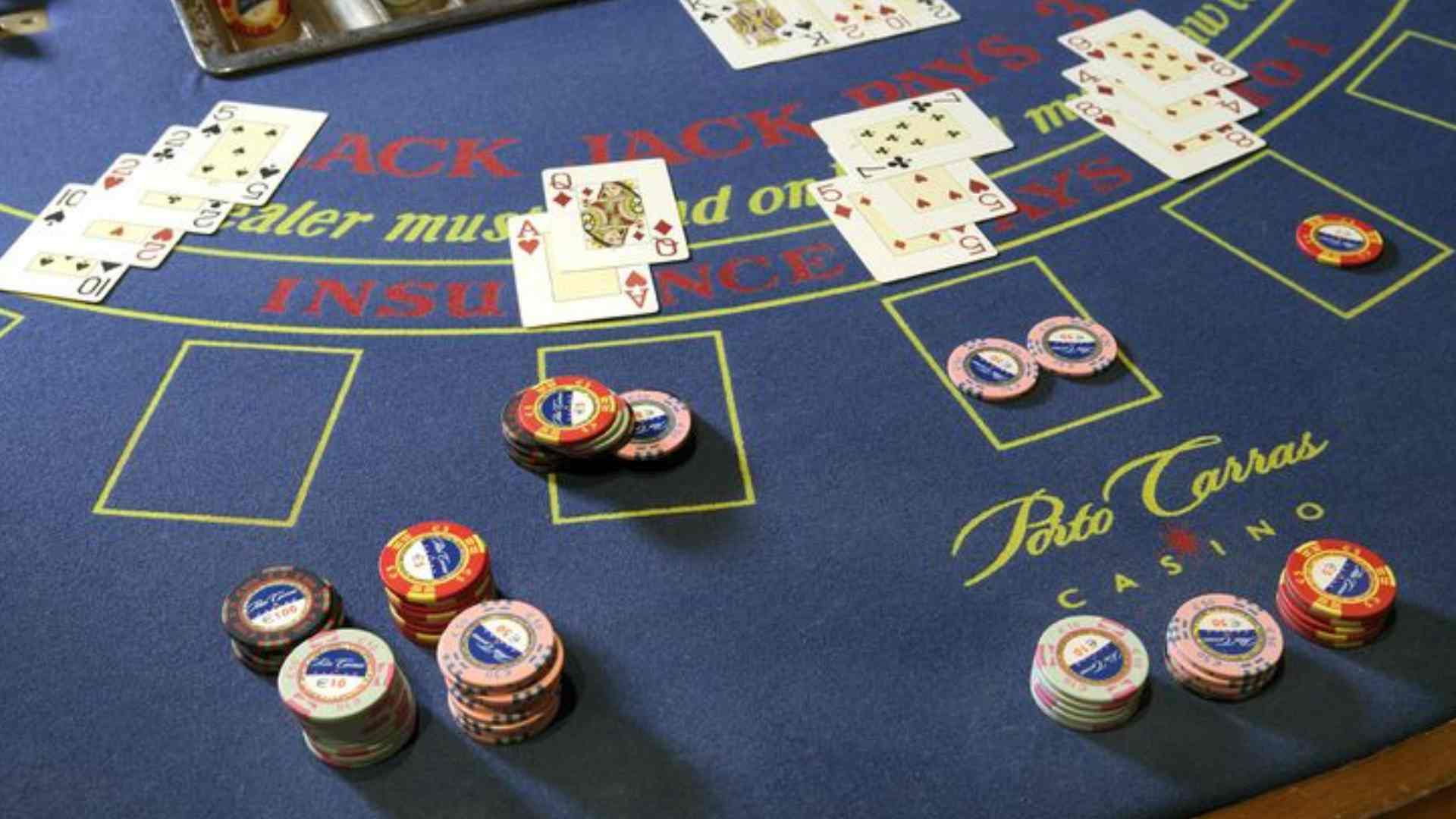
Solitaire card games have long been recognized as more than just simple pastimes to pass the time. They serve as engaging mental exercises that challenge a player's ability to remain patient and observe subtle patterns across the board. By taking a closer look at specific solitaire variations, players can discover how deliberate focus transforms everyday card play into a rewarding test of skill.
The Role of Careful Observation in Card Sequencing
Succeeding in complex solitaire games requires scanning the entire layout before moving a single card. Players must track hidden values, anticipate future moves, and identify critical blockers that could stall progress. Developing sharp visual awareness allows enthusiasts to uncover non-obvious paths toward clearing tableau columns.
Rushing through available moves often leads to avoidable bottlenecks and unwinnable board states. Taking time to inspect suit distributions and column depths ensures that every transfer serves a distinct tactical purpose. Over time, this deliberate observation habit naturally improves overall win rates and decision-making clarity.
Cultivating Patience Through Challenging Board Layouts
Patience is the cornerstone of mastering single-player card games that feature restrictive initial deals. Difficult arrangements force players to exercise restraint, resisting the temptation to execute hasty stock draws. Learning to wait for the optimal opportunity keeps vital spaces open for higher-value cards.
Maintaining composure during tight scenarios helps players navigate complex board states without feeling overwhelmed. Many enthusiasts who enjoy strategic thinking and structured entertainment explore various digital gaming options, including m88 the thao, to experience how focused strategy applies across different interactive environments. Cultivating calm discipline ultimately turns frustrating layouts into deeply satisfying victories.
Evaluating Risk and Future Outcomes
Every strategic move in solitaire carries calculated risks that can either open up options or restrict future mobility. Evaluating the potential consequences of moving a card helps maintain long-term flexibility across the entire tableau. Players must balance immediate card reveals with the necessity of preserving landing spots for opposing suits.
Understanding when to hold back a playable card is just as crucial as making a move. Recognizing these subtle decision points elevates casual card sorting into an intellectual exercise that tests analytical foresight. Consistent practice refines this foresight, making difficult choices far more intuitive.
Building Long-Term Cognitive Skills Through Regular Play
Engaging regularly with patience-testing card games provides lasting cognitive benefits that extend beyond the screen or table. Tracking card order and visualizing multi-step sequences actively sharpens working memory and spatial reasoning. These subtle mental exercises encourage a structured approach to problem-solving in daily tasks.
By viewing every game as a unique puzzle, players cultivate a mindset centered on continuous learning and adaptation. Embracing both successful deals and failed attempts offers valuable insights into card management strategy. Ultimately, solitaire remains a timeless pursuit for anyone looking to strengthen focus and mental resilience.