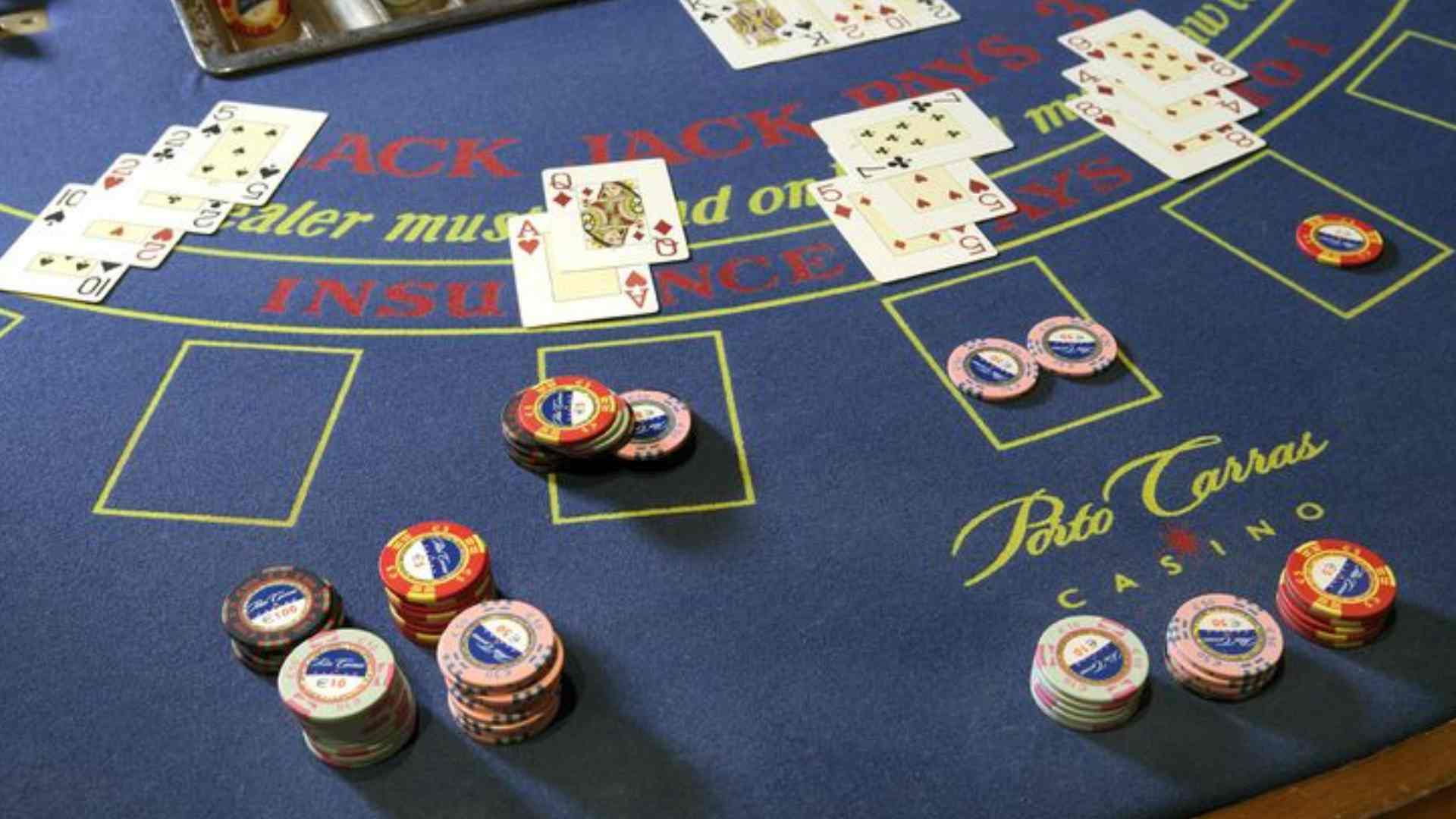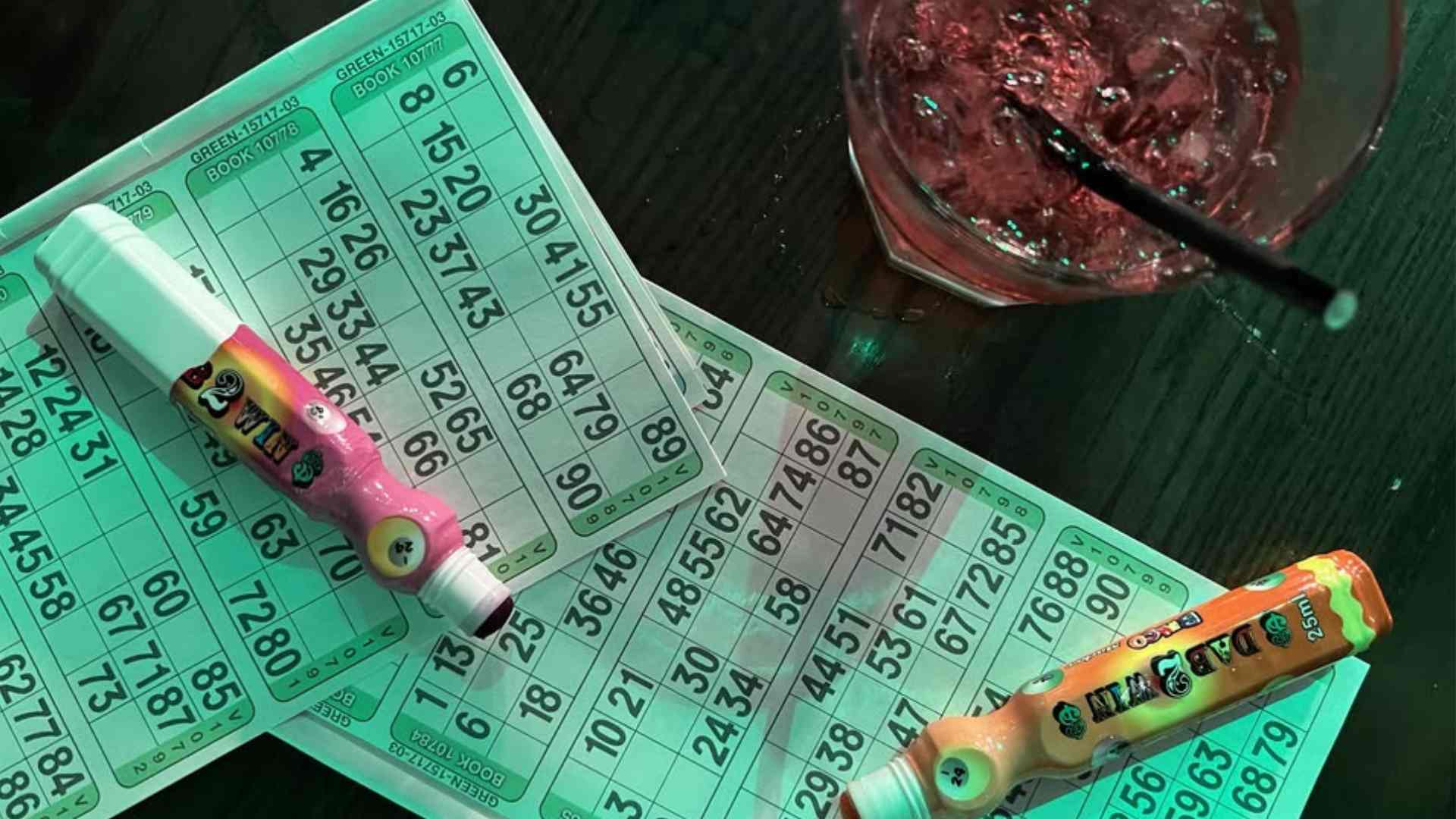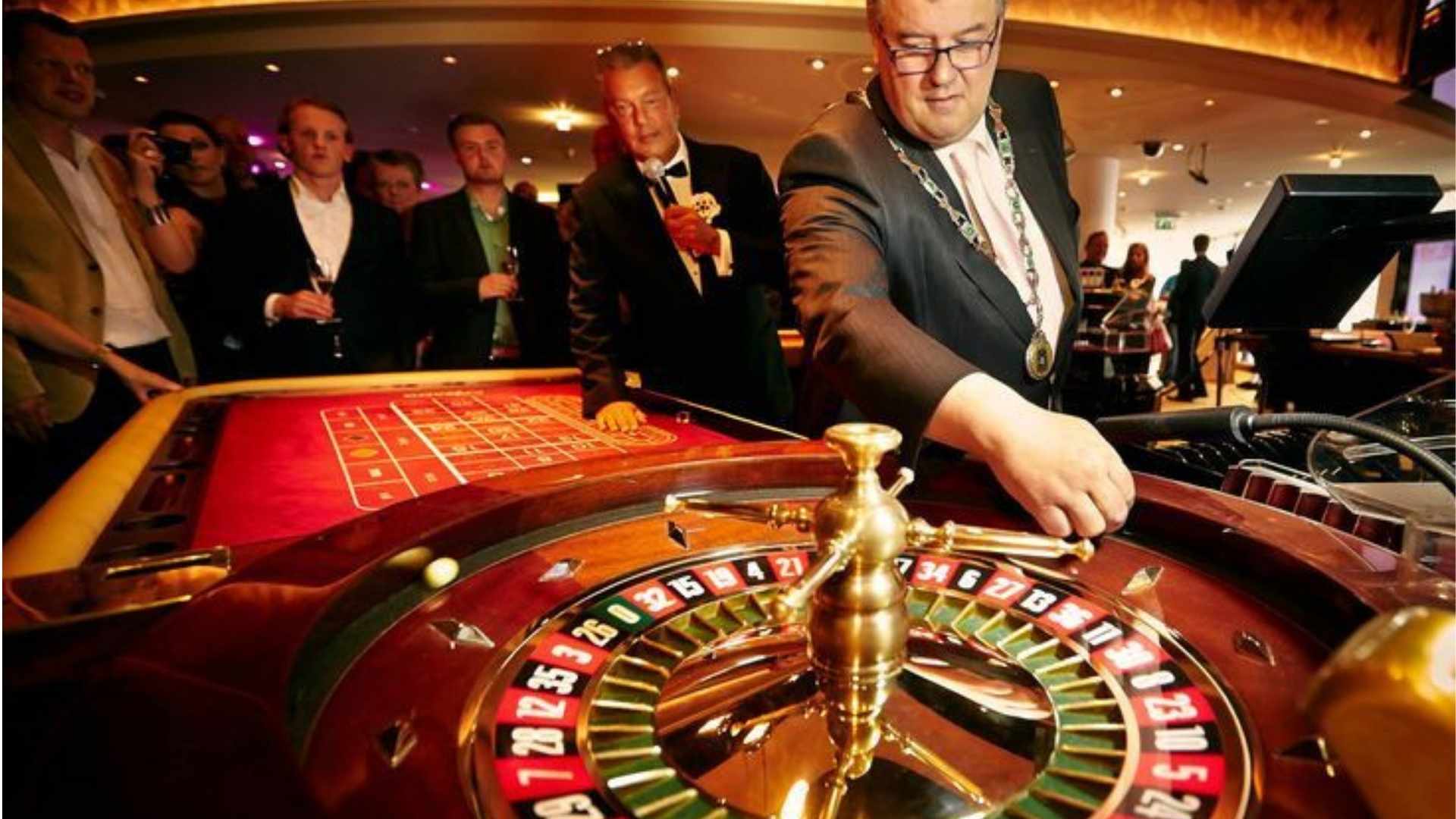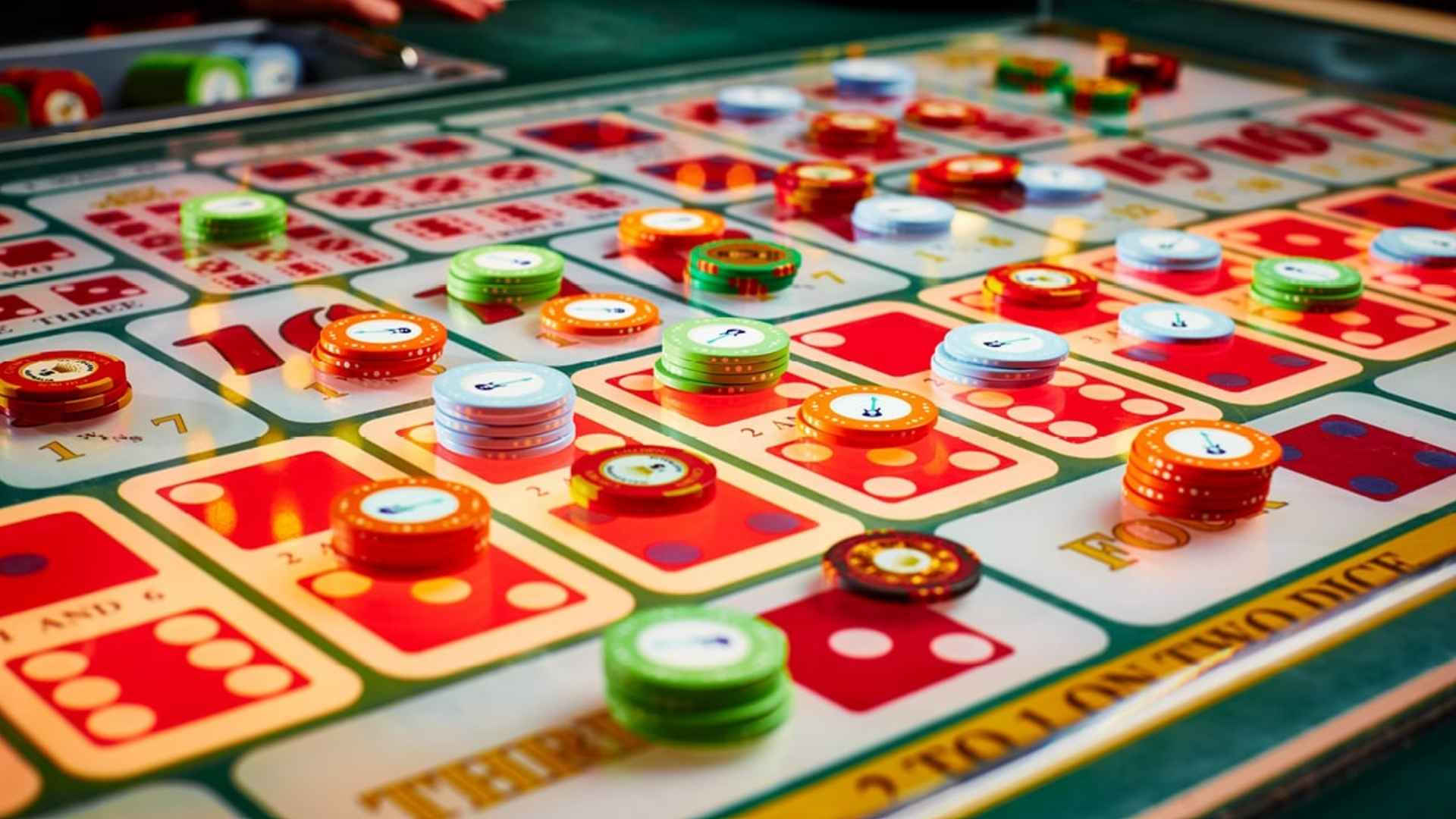
The act of distribution at gaming tables has evolved from a routine administrative chore into a captivating performance that anchors the casino experience. Historically, early card handlers focused strictly on security and speed to maintain game momentum. Over the decades, gaming houses recognized that the rhythmic physical mastery of cards could draw spectators and elevate the ambient drama of the floor.
The Birth of Table Layout Showmanship
Early wagering salons operated in relatively plain settings where structural utility overshadowed artistic presentation. As public competition expanded across international leisure hubs, establishments realized that localized card manipulation held immense aesthetic potential. Dealers began practicing uniform routines, transforming regular shuffles and intricate card drops into elegant visual displays.
This deliberate transition helped build localized community networks, transforming casual spectators into active participants who appreciated the manual dexterity on display. Today, checking out updates on dynamic entertainment platforms like boss toto demonstrates how modern variations still celebrate this traditional convergence of manual skill and community engagement. The physical choreography of a flawless manual run continues to cultivate anticipation across gaming spaces worldwide.
How Training Refined the Physical Ritual
Modern gaming operations require intensive instructional regimes to ensure absolute operational consistency alongside high execution speed. A dealer's physical presentation, including precise hand positioning and symmetric card placement, creates an environment of total transparency and professionalism. These strict movement protocols effectively eliminate security vulnerabilities while giving the audience a beautiful performance to observe.
The meticulous sound of cards gliding across clean tabletop felt serves as an acoustic backdrop that heightens individual tension. Experienced operators maintain a steady structural rhythm, adapting their delivery speed to match the evolving emotional temperature of the active participants. This calculated blend of balance and precision keeps everyone engaged throughout a multi-player session.
Technological Shifts and the Human Connection
The introduction of automated equipment and digital interfaces threatened to eliminate the traditional charm of manual game management. However, public interest shifted heavily toward preserving human elements, proving that live dealing remains an irreplaceable part of table culture. Contemporary players actively seek out formats that prioritize direct human contact, even when exploring options via digital broadcasting channels.
Live-streamed broadcasts now utilize state-of-the-art camera angles to highlight the traditional finger movements and shuffle techniques of real dealers. This synthesis of modern connectivity and manual performance demonstrates that true showmanship transcends physical location. The human dealer remains the primary anchor for authentic table entertainment, offering psychological depth that software cannot replicate.