Navigating the floor of a gaming venue requires more than just relying on luck to secure a favorable outcome. Informed players focus on the mathematical advantage held by the casino, known as the house edge, to select options with better long-term expectations. Identifying titles with lower statistical advantages allows individuals to stretch their bankrolls and make strategic decisions based on probability rather than guesswork.
The Mathematical Foundations of Casino House Edge
The house edge represents the built-in mathematical percentage that a gaming establishment expects to retain over extended play. While short-term sessions can produce substantial wins due to natural variance, the statistical odds always favor the house over millions of rounds. Understanding this basic concept helps players compare different formats and make smarter decisions before placing a wager.
By selecting formats where the built-in advantage is minimal, players significantly improve their statistical expectations. For example, exploring reliable platforms like agen togel m88 offers key insights into how various rule sets impact overall return rates. Evaluating these mathematical metrics ensures that players maximize their entertainment value while minimizing unnecessary exposure.
Blackjack and Skill-Based Decision Making
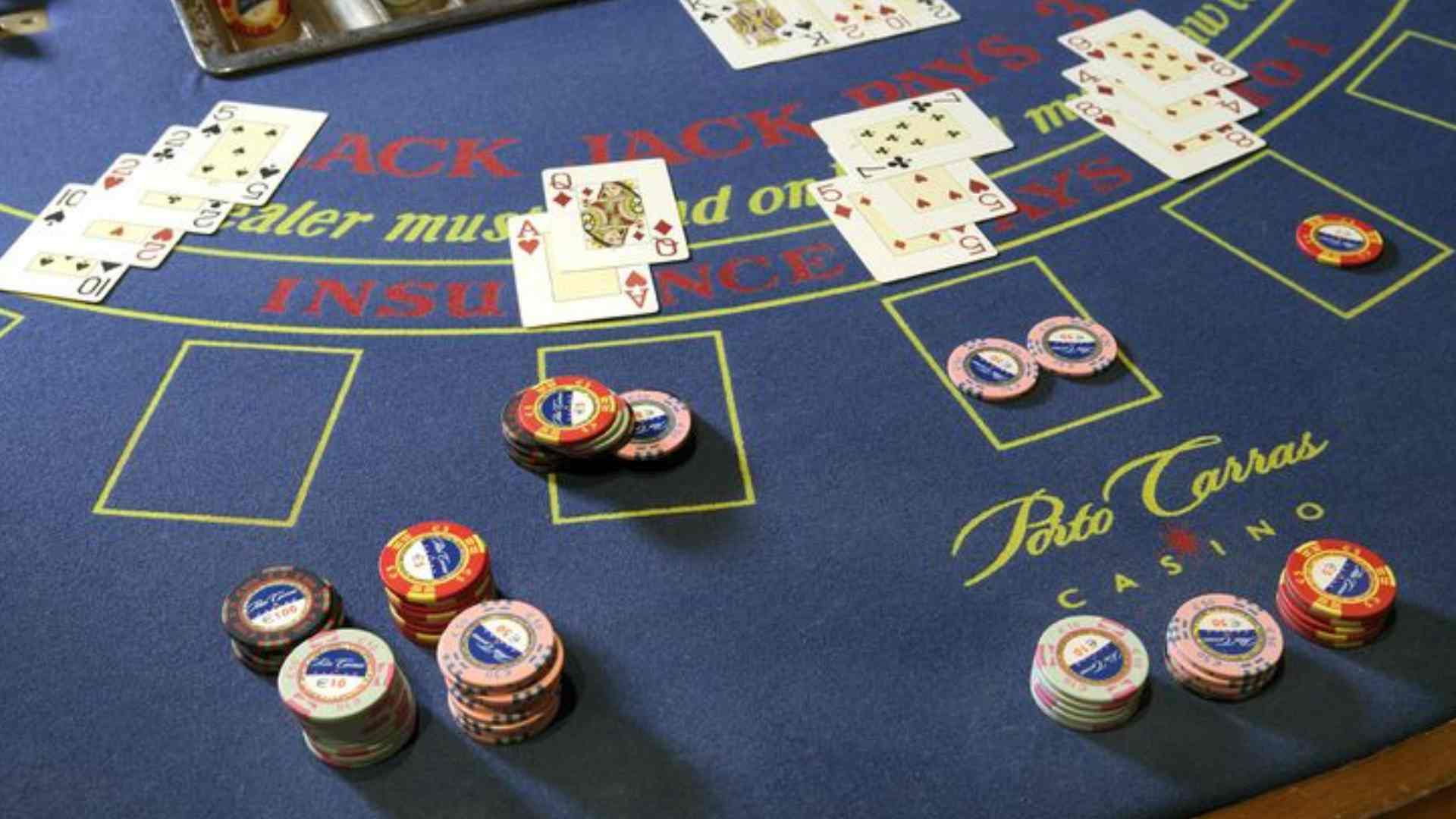
Blackjack stands out as one of the most favorable table options when approached with a disciplined mathematical approach. By adhering to a basic strategy chart, players can reduce the casino's advantage to less than 0.5 percent under standard liberal rules. Every decision to hit, stand, double down, or split directly influences the final return percentage of the hand.
Specific rule variations, such as single-deck play and 3-to-2 payouts on natural blackjack, further tip the odds toward the player. Table conditions where the dealer stands on soft 17 also reduce the house's overall margin. Avoiding costly tactical errors keeps the long-term probabilities as balanced as possible.
Baccarat and Odds in Craps Wagers
Baccarat is renowned for offering straightforward gameplay alongside some of the lowest margins on the casino floor. Wagering on the Banker hand carries a low house edge of roughly 1.06 percent, even after accounting for the standard five percent commission on winning bets. The Player wager remains a solid alternative at approximately 1.24 percent, while high-margin options like the Tie bet should generally be avoided.
Craps also features exceptional mathematical value if players stick to foundational line bets. The Pass Line and Don't Pass Line carry low built-in edges of 1.41 percent and 1.36 percent respectively. Combining these initial bets with Odds wagers—which carry zero house edge—dilutes the overall advantage of the total money in play.
Video Poker and Strategic Paytables
Video poker combines the mechanics of standard draw poker with fixed terminal payout schedules. When played on machines featuring full-pay structures, such as 9/6 Jacks or Better, the house margin can drop below 0.5 percent with accurate play. Because outcomes depend on standard 52-card deck probabilities, strategic decisions directly impact overall expected returns.
Carefully examining paytables before inserting funds is essential for maintaining optimal odds. Minor changes in payout ratios for common hands like a full house or flush can significantly shift the advantage toward the establishment. Selecting favorable software builds ensures that mathematical probabilities remain heavily aligned with the player's strategy.