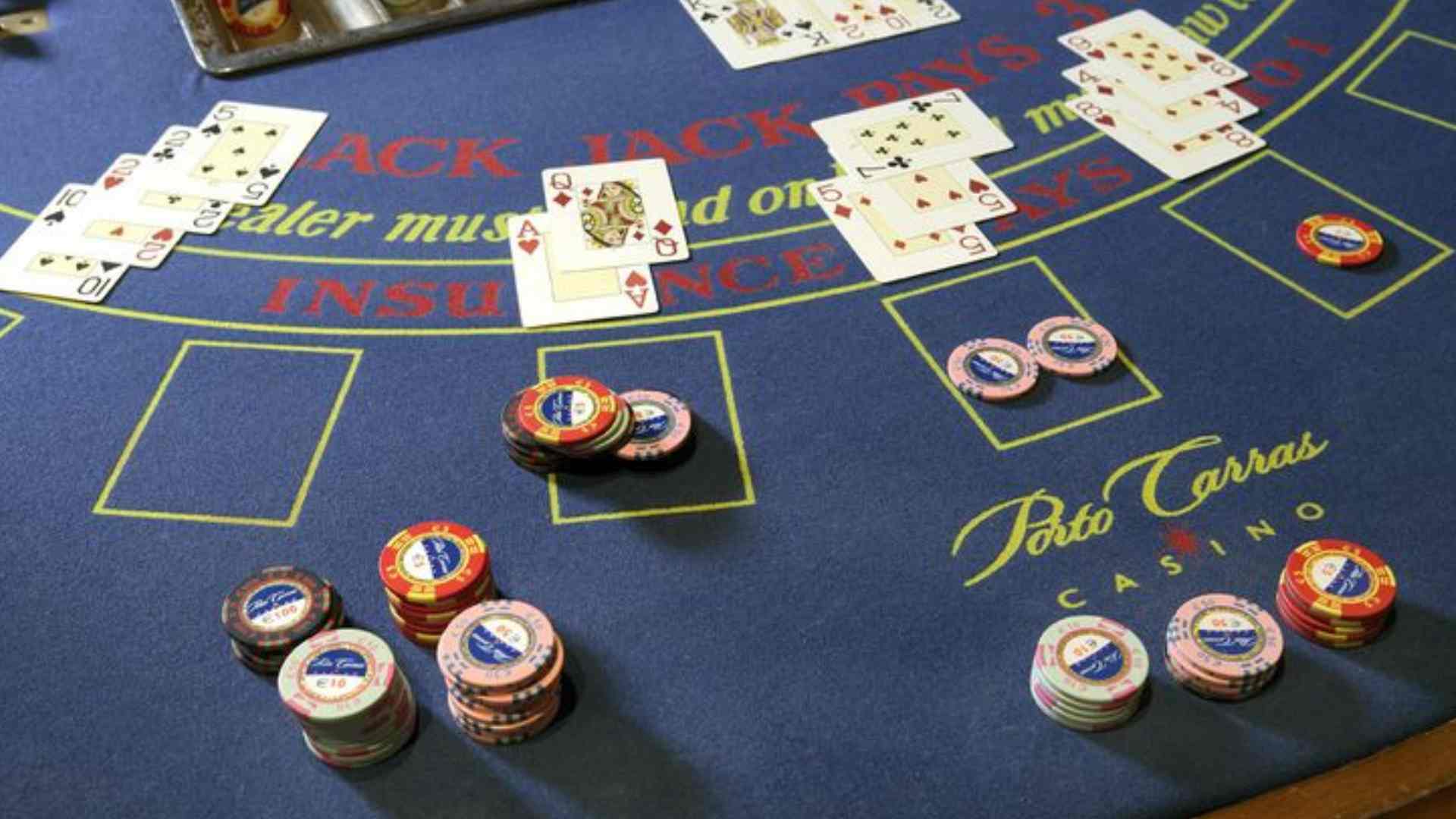
Solitaire is often viewed as a simple pastime to occupy a quiet afternoon, yet beneath its basic interface lies a complex system that rewards deep tactical planning. Achieving consistent success in this classic card game requires players to look beyond immediate moves and formulate long-term approaches. By analyzing the board systematically, individuals can transform a game of chance into a demonstration of strategic excellence.
The Core Principles of Tactical Card Movement
To establish a strong foundation, players must focus on uncovering hidden cards trapped within the longest columns of the tableau. Prioritizing these columns increases the number of available options on the board and prevents early stalemates. This calculated approach ensures that you retain maximum flexibility as the layout of the deck begins to shift.
Another essential element of success is maintaining empty columns specifically to manage higher-value cards. Only Kings can occupy empty tableau spaces, meaning that clearing a column prematurely without a plan can limit your overall movements. Balancing these columns requires a high degree of patience and strict self-control during intense sessions.
Developing Long Term Foresight
Mastering solitaire involves training your brain to calculate multiple sequences ahead rather than reacting to the top card. Professional players treat each card arrangement like a puzzle, assessing risk before committing to a move. This forward-thinking mentality directly translates to sharper decision-making skills in real-world situations.
In addition to mental growth, engaging in these strategic puzzles helps individuals build cognitive resilience over time. For those looking to transition their tactical skills to other platforms, exploring websites like m88 mansion indo provides a thrilling environment to test strategic thinking in various logical challenges. Engaging with diverse virtual games is a fantastic way to sharpen your cognitive abilities and build sustained focus.
Optimizing the Stockpile and Foundations
Managing the draw pile with care is another crucial skill that separates casual players from seasoned experts. Drawing cards too quickly can ruin potential sequences that are already available on the main table. It is always wiser to exhaust all visible options before turning to the reserve cards for help.
Furthermore, moving cards to the foundation piles must be done with careful timing to avoid trapping useful sequence builders. Sometimes keeping a card on the tableau is necessary to release other hidden cards buried deep beneath the columns. Strategic excellence is achieved when you learn to balance progression with tactical restraint.