Engaging in table games is often viewed as a simple form of leisure, but the mental practices required to succeed at them can shape our daily lives. Many of these traditional activities demand high levels of focus, risk assessment, and emotional control, which are vital components of a successful lifestyle. By regularly participating in structured tabletop challenges, players can naturally cultivate behavioral routines that support personal and professional growth.
The Value of Strategic Patience in Chess
Chess has long been celebrated as the ultimate test of mental fortitude and foresight. Every move requires players to think several steps ahead while anticipating the potential reactions of their opponent. This continuous exercise teaches individuals to resist impulsive reactions and instead focus on long-term goals.
Cultivating patience on the board translates directly into better decision-making in real-world scenarios. Those who learn to weigh their options under pressure are much less likely to make hasty, regrettable choices in their careers or personal finances. Ultimately, the game serves as a silent mentor for developing disciplined, calculated behaviors.
Calculated Risk Management in Card Games
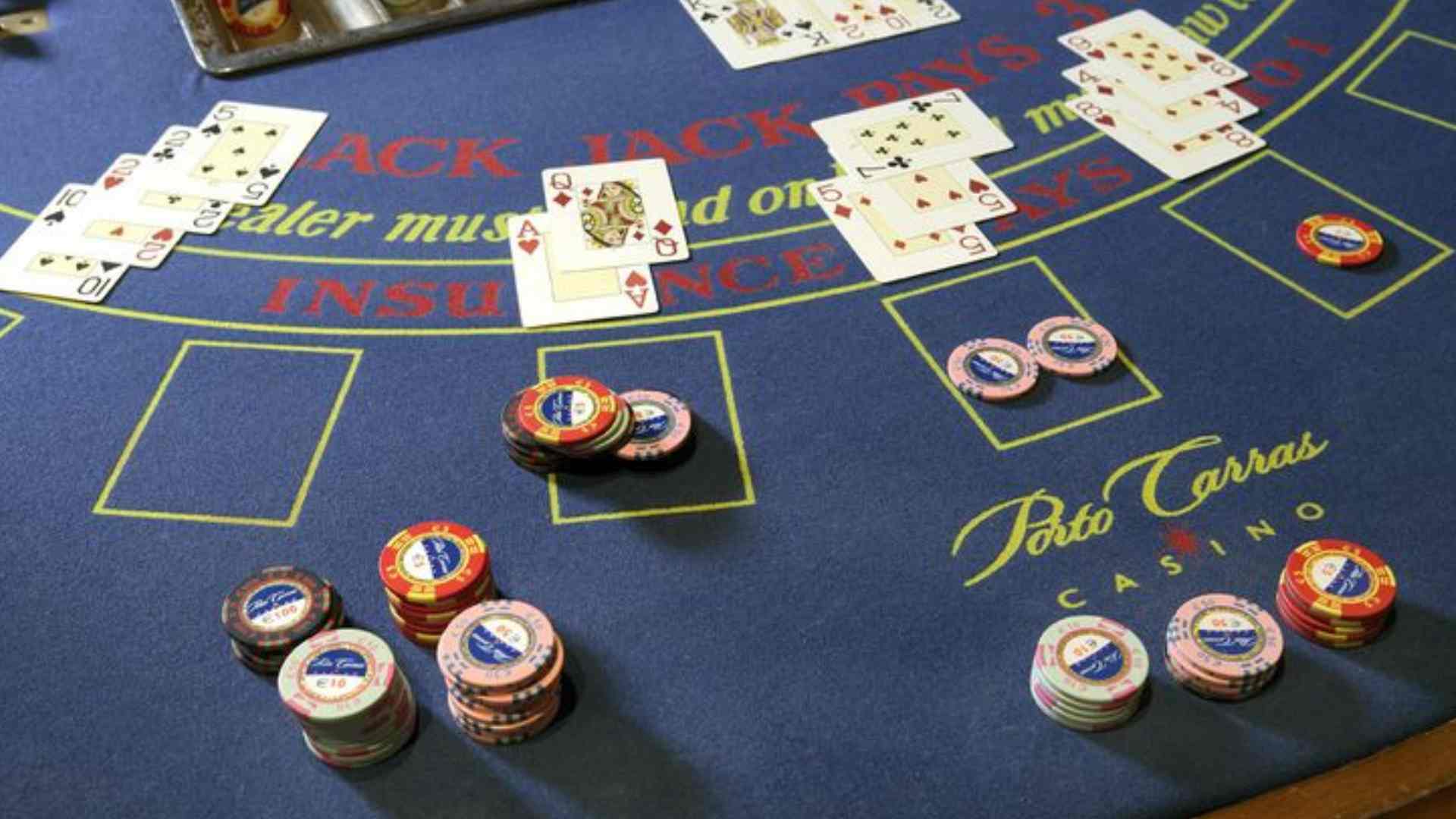
Card games like blackjack and poker introduce players to the complex world of probability and risk assessment. Succeeding in these games is not about avoiding risk entirely, but rather understanding when the odds are in your favor. This analytical approach encourages a healthy respect for statistical reality and discourages reckless behavior.
Through consistent play, individuals learn to manage their resources wisely and establish boundaries for their decisions. To explore dynamic environments where these decision-making processes are put to the test, many enthusiasts visit m88 mansion indo to practice their strategic approaches. This methodical mindset helps players understand that consistent, calculated actions are far more valuable than relying on pure luck.
Emotional Regulation and Resilience
One of the most profound benefits of table gaming is learning how to handle both victory and defeat with grace. Because these activities involve elements of chance, players are guaranteed to face unexpected setbacks regardless of their skill level. Overcoming these moments without losing focus builds emotional resilience and mental stability.
Maintaining a calm composure during a difficult match teaches players to view temporary failures as learning opportunities. This shift in perspective is crucial for maintaining motivation when facing challenges in everyday life. By practicing emotional regulation at the table, individuals become better equipped to handle stressful situations with confidence.