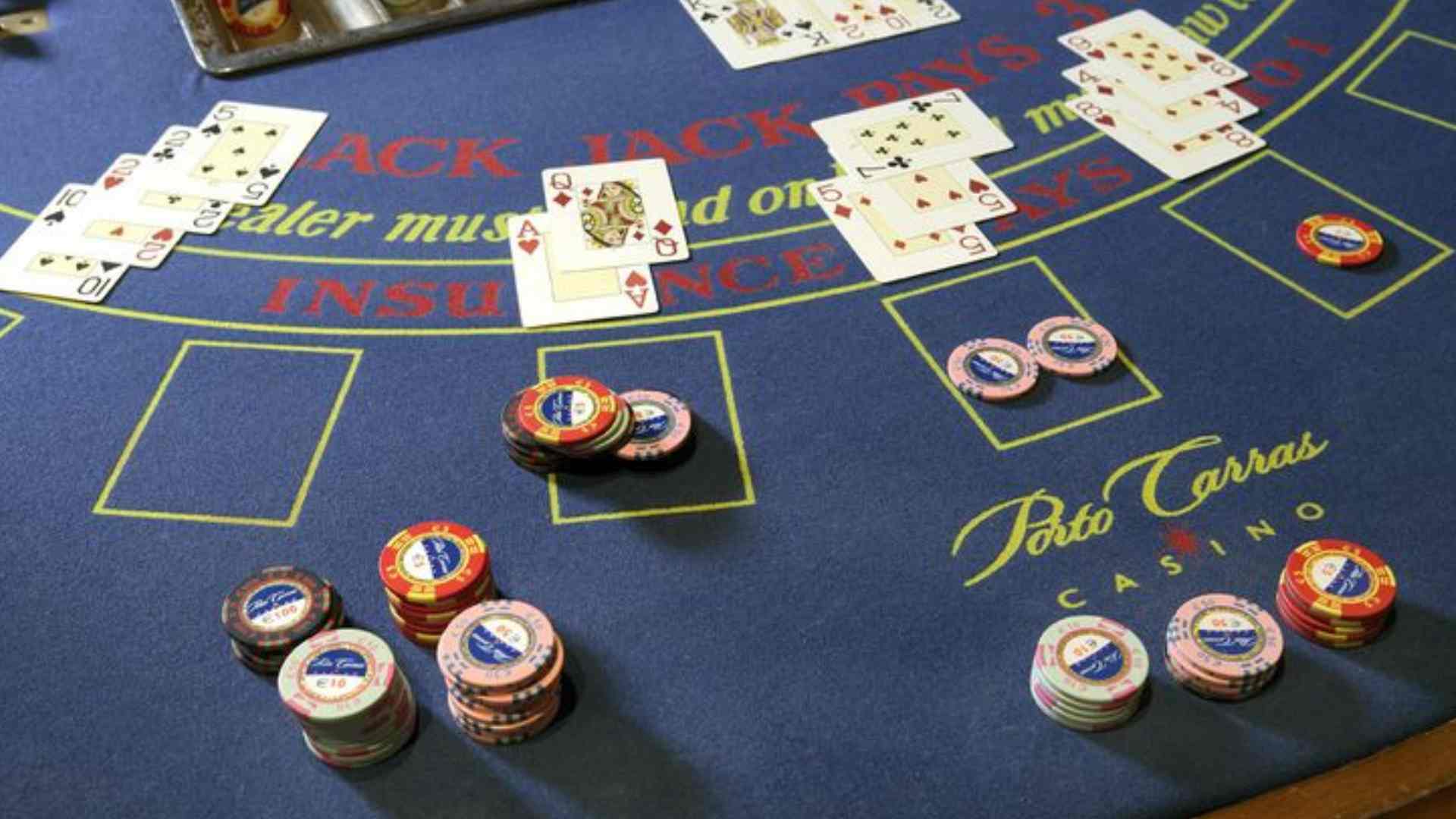
Watching a anticipated reward draw near only to slip away at the last second creates a distinct cognitive tension. Whether it is a spinning wheel slowing down right next to the jackpot segment or a digital notification vanishing, the human brain reacts intensely to near-miss scenarios. Understanding this psychological phenomenon offers clear insight into how anticipation, visual tracking, and emotional responses shape our daily interactions with chance.
The Neurological Spike of Anticipation
When an individual observes a potential reward getting closer, the brain releases dopamine long before the actual outcome is determined. This chemical surge heightened focus and creates a strong sense of expectation. As the target outcome appears almost within reach, the brain prepares to register a success.
However, when the target unexpectedly passes or vanishes, the sudden shift triggers a psychological prediction error. Instead of feeling complete disappointment, the mind often treats the close call as an indicator that success is achievable in the future. This cognitive mechanism turns a simple loss into a highly motivating visual event.
How Visual Deceleration Creates Emotional Tension
Visual movement plays a vital role in how we perceive incoming success or failure. As a rotating pointer or rolling symbol slows down near a preferred option, the brain naturally locks onto the motion to forecast the landing spot. This lingering movement prolongs the anticipatory state, making the final disappearance of the goal feel far more dramatic.
Interactive platforms and casual gaming interfaces frequently use this visual principle to enhance participant engagement. Users exploring modern digital tools or looking for an m88 alternatif often notice how subtle visual feedback keeps experiences exciting. The brief window where a reward seems imminent creates a powerful memory that lasts longer than a quick loss.
The Habit Loop of Near-Miss Experiences
Psychologists have long studied why near-misses foster stronger engagement than standard losses. When an outcome lands right next to a win, the brain processes the event almost like a partial victory. This mental overlap encourages individuals to try again, believing that their odds are continuously improving.
This persistent curiosity is rooted in evolutionary pattern recognition, where close attempts signaled learning and eventual mastery. Although modern games rely purely on statistical randomness, human intuition still interprets close proximity as a sign of progress. Recognizing this bias helps individuals maintain a balanced perspective when evaluating outcomes based on chance.
Strategies for Managing Expectation and Reaction
Managing the emotional roller coaster of close outcomes requires conscious awareness of cognitive biases. Recognizing that a near-miss carries the exact same mathematical probability as any other loss helps reduce emotional volatility. Setting clear boundaries before engaging with randomized systems ensures that decision-making remains grounded in logic rather than emotion.
Stepping back after an intense moment allows the brain to reset its dopamine levels and restore analytical thinking. By viewing dynamic visual events as mere entertainment rather than guaranteed trends, observers can enjoy the thrill of suspense without falling prey to unrealistic expectations. Developing this mindful approach fosters healthier digital habits across all interactive environments.